Stop Viewers from Clicking Away: Your Guide to High-Retention YouTube Scripts

You’ve poured hours into research, filming, and editing. You hit publish, and... the watch time is flat. Viewers are leaving seconds after they arrive. It’s a frustrating reality for many creators, but the solution often isn’t a better camera or fancier graphics—it’s a better script.
A great script is the engine of viewer retention. It’s what transforms a casual click into a loyal subscriber. But here’s a hard truth: none of that script work is useful without a good thumbnail to get the click in the first place. That's where a tool like BerryViral becomes invaluable. It helps you review your thumbnail with specific feedback and even improves it for you, ensuring your hard work on the script actually gets seen.
Once you’ve secured that click, how do you keep people watching? Let's break down the proven script structure used by top creators.
The First 10 Seconds: Your Make-or-Break Moment
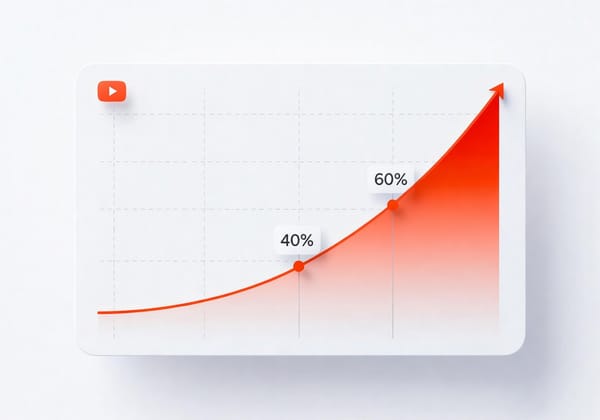
You have about ten seconds to convince a viewer they made the right choice. This is your hook, and it’s the most critical part of your video. A weak hook can be fatal; analyses show that nearly 50% of viewers will leave within the first 30 seconds if they aren't immediately engaged.
Your job here is to deliver on the promise your title and thumbnail made. This is called "click confirmation." If your title is "How I Fixed My Gutters in 5 Minutes," don't start with a long story about your childhood. Start with, "Today, I'm going to show you exactly how I fixed these leaky gutters in less than five minutes, using only three simple tools."
You’ve instantly met their expectation and created a positive gap—the reality is better than they hoped. Other effective hooks include:
- A bold statement: "Everything you know about sourdough is wrong."
- A relatable pain point: "Ever spent hours on a design, only to have it look... flat? By the end of this video, you'll know exactly why."
- A surprising fact: "The average person spends 90,000 hours at work. But only 15% of people actually feel engaged."
Setting the Stage: The Quick Intro That Builds Trust
After the hook, give viewers a moment to orient themselves. This isn't the time for a lengthy life story. Keep it concise and answer three questions:
- Who are you? (Briefly!) "Hey, I'm Alex, a professional landscape photographer."
- What is this video about? "And today I'm breaking down the three camera settings that transformed my photos."
- Why should they stick around? "By the end, you'll be able to apply these settings immediately to get sharper, more vibrant shots, even in difficult lighting."
This structure builds trust and opens a curiosity loop. You’ve told them what’s coming, and now they want to see you deliver on that promise.
The Main Event: Structuring Your Content for Maximum Clarity
The middle of your video is where you deliver value, but it needs to be organized. The key is to break your topic into distinct points or steps. Don't just ramble; guide your viewer on a clear path.
A great method is the Value Loop for each point you make:
- Context: Simply explain the concept. "First, let's talk about aperture."
- Application: Show it in action with a real example or demo. "Watch what happens to this background as I adjust the aperture from f/16 to f/1.8."
- Framing: Explain why it matters in the bigger picture. "This is how you get that professional blurry background, making your subject pop."
To keep momentum, consider the order of your points. Many successful creators don’t put their absolute best tip first. They put their second-best tip first and save the knockout punch for the second slot. This creates an escalating sense of value, making the viewer feel like the video just keeps getting better.
Pacing and Variety: The Secret Sauce of Engagement
A brilliant script can still fail with flat delivery. Your pacing needs to be dynamic.
- Cut the filler: Remove "um," "ah," and long, unnecessary pauses. Read your script aloud to catch these.
- Vary the visuals: Every 10-15 seconds, something should change. This could be a cut to B-roll, an on-screen graphic, a different camera angle, or a simple text overlay.
- Build suspense: Don't answer every question immediately. Create "open loops." For example, "I tried this one crazy hack to save my dying houseplant, but I had no idea if it would actually work. We'll check on the result in a bit." This gives viewers a compelling reason to stick around for the resolution. One creator team found that adding small tension beats before big reveals increased their average watch time by over 20%.
The Final Word: Ending with Impact
Your outro is your last chance to leave a positive impression and guide the viewer to their next step.
First, quickly summarize the key takeaways. "So there you have it: use a wide aperture for portraits, a fast shutter for action, and a low ISO for bright light." This reinforces the value you provided.
Then, issue a clear, native Call to Action (CTA). The best CTAs feel like a natural extension of the value you've just provided.
- Instead of: "Please like and subscribe!"
- Try: "If you found these tips helpful, hit that like button—it really helps the channel reach more photographers like you. And subscribe for more practical tutorials every week."
You can even open a new curiosity loop: "Next week, I'm diving into my secret editing workflow for these photos. You won't want to miss it."
Putting It Into Practice: Tips for Different Video Styles
These core principles apply everywhere, but their execution changes by genre:
- For Educational Videos: Start with an intriguing question. Clearly state the learning objective and use a structured, step-by-step format. End with a recap and a prompt for engagement, like "Comment below which tip you're trying first!"
- For Entertainment/Skits: Jump right into the action. Start with the most explosive moment (in medias res) and then rewind to explain. Keep scenes snappy and use comedic timing to land your punchlines.
- For Commentary/Opinion: Lead with a bold, contrarian take. "Everyone says this movie is a masterpiece, but I think it's deeply flawed. Here's why." Structure your argument logically with evidence, and use dynamic editing to keep it visually interesting.
- For Storytelling/Vlogs: Tease the most dramatic part of your story at the very beginning. Build an emotional arc with a clear conflict and resolution. Authenticity and personal reactions are what will keep your audience invested in the journey.
By focusing on a powerful hook, a clear structure, dynamic pacing, and a strong conclusion, you can write scripts that captivate your audience from the first second to the last. And with a thumbnail that does its job, your incredible content will finally get the audience it deserves.